 EN
EN
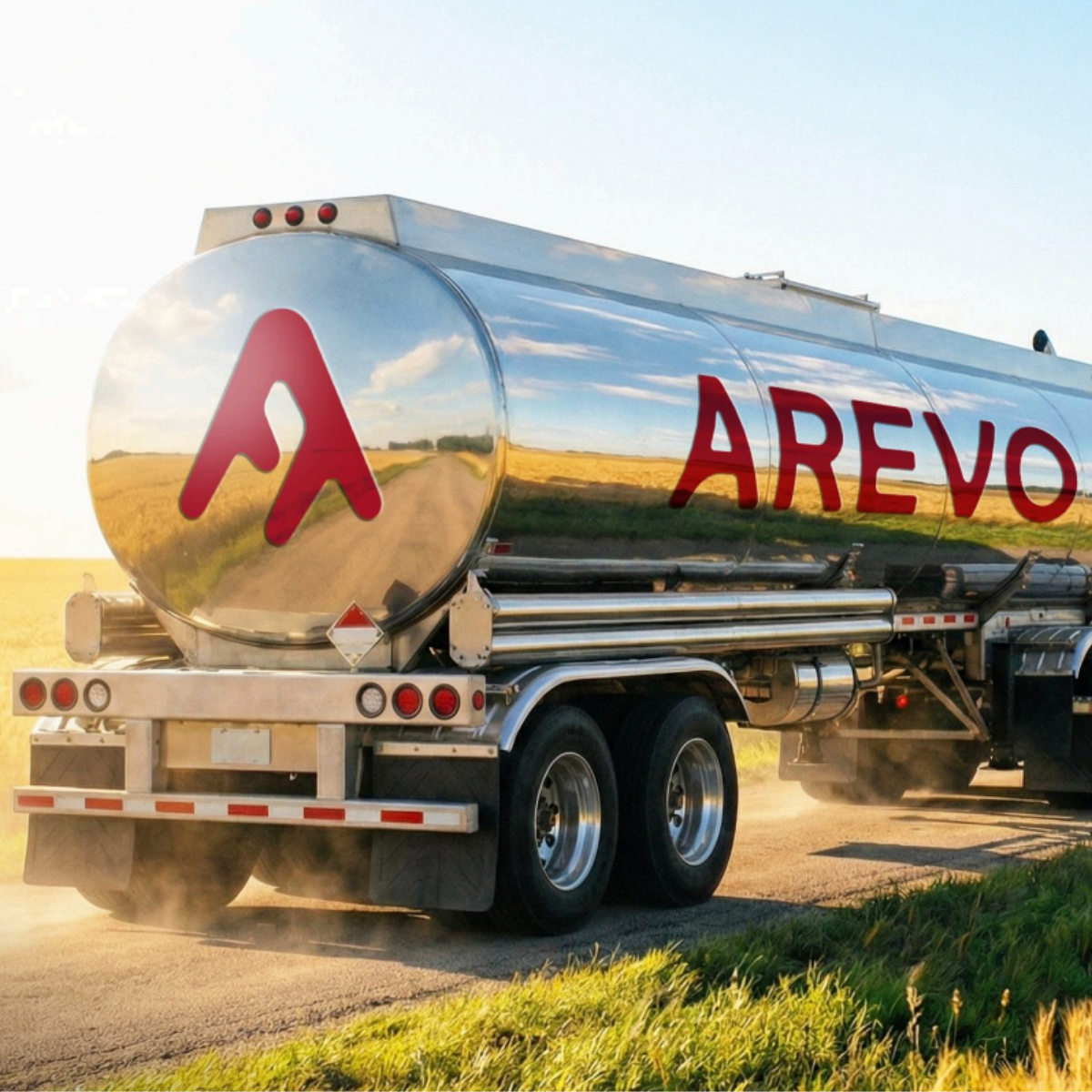
Crop nutrition is undergoing a fundamental shift. For decades, agricultural productivity has relied heavily on increasing fertilizer application rates to meet yield demands. While this approach helped scale food production, it also introduced inefficiencies that modern agriculture can no longer ignore—nutrient losses, environmental impact, rising costs, and inconsistent plant uptake.
Why crop nutrition needs a new direction
Research across agronomy and plant physiology shows that nutrient use efficiency (NUE) remains far below optimal levels in most cropping systems. In many cases, less than half of applied nitrogen is recovered by the crop, with the remainder lost to leaching, volatilization, or chemical immobilization in soil. These losses represent not only an economic challenge for growers but also a growing environmental concern.
It is within this context that Arginex, a crop nutrition technology developed by Arevo, was created. Arginex represents a move away from volume-based nutrient strategies and toward efficiency-driven, biology-aware nutrient delivery.
What is Arginex? A clear, science-based definition
Arginex is a plant nutrient delivery technology designed to improve how crops access, absorb, and utilize nutrients at the root–soil interface. Rather than focusing solely on supplying nutrients in mineral form, Arginex is built on well-established scientific evidence showing that plants can take up and metabolize organic nitrogen forms, including amino acids, under real field conditions.
This distinction is critical. Traditional fertilizer systems are optimized primarily for soil chemistry. Arginex is optimized for plant physiology.
In practical terms, Arginex aims to:
- Increase root hairs development and length increasing the root surface area and contact points for microbes
- Improve availability of nutrient in the soil at the roots regardless of the weather
- Provide on-demand nutrient release based on plant needs
- Reduce nutrient losses that occur before uptake because it sticks to the soil like a magnet
- Support consistent crop performance across variable soils and climates
The scientific foundation: Organic nitrogen uptake in plants
For much of the 20th century, agronomic models assumed plants relied almost exclusively on inorganic nitrogen forms such as nitrate and ammonium. However, peer-reviewed research over the past several decades has challenged this assumption.
Studies published in journals such as New Phytologist and Plant Cell & Environment demonstrate that:
-
plants can absorb intact amino acids directly from the soil
-
organic nitrogen uptake can contribute meaningfully to plant nitrogen nutrition
-
organic nitrogen sources can improve nitrogen use efficiency by providing both nitrogen and carbon
Arevo has curated and published a comprehensive collection of this research on its science publications on plant nutrient delivery systems, including field studies on wheat, conifers, and other agriculturally relevant species:
https://arevo.se/en/science-publications-on-plant-nutrient-delivery-system
This body of research forms the scientific backbone of Arginex.

Why nutrient use efficiency is the real performance metric
Yield alone is no longer the defining metric of success in modern agriculture. Increasingly, researchers, regulators, and growers are focused on how efficiently inputs are converted into outputs.
According to recent analyses published in Plants (MDPI) and Frontiers in Plant Science, improving nutrient use efficiency is one of the most effective ways to:
-
reduce environmental nutrient losses
-
lower production costs
-
maintain or improve yield stability
-
support sustainable intensification
Arginex was developed specifically to address these efficiency challenges by improving nutrient behavior after application, not just at the point of supply.
How Arginex works at the root–soil interface
1. Expanding root-zone surface area for nutrient uptake
Nutrient uptake is not only controlled by concentration and timing, but also by the effective surface area of the root system interacting with the soil. Arginex supports the development of finer, more highly branched and longer roots and root hairs, effectively increasing the contact area between roots and the surrounding soil matrix.
By expanding the active root-zone surface area, plants gain access to a larger volume of soil, improving the interception of nutrients that are otherwise immobile or sparsely distributed. This increased physical interface enhances the plant’s ability to acquire nitrogen, phosphorus, and micronutrients under both optimal and stress conditions.
In addition, Arginex promotes a biologically active rhizosphere by stimulating interactions between roots and beneficial soil microorganisms. These microbes further extend the functional reach of the root system, mobilizing nutrients and facilitating their transfer to the plant. The result is a more efficient, biologically driven nutrient uptake system built around root architecture and microbial cooperation rather than nutrient solubility alone.
2. Supporting uptake timing
Plants do not absorb nutrients at a constant rate. Uptake varies by growth stage, environmental stress, and physiological demand. Arginex is designed to better align nutrient availability with these uptake windows.
3. Reducing loss pathways
Peer-reviewed studies on arginine-based nutrient complexes, including arginine–iron–hexametaphosphate systems, demonstrate significantly reduced nitrate leaching compared to conventional nitrogen sources. These findings are summarized within Arevo’s curated science library.
Arginex compared to conventional fertilizer systems
| Aspect | Conventional fertilizers | Arginex technology |
|---|---|---|
| Primary focus | Nutrient supply | Nutrient utilization |
| Uptake efficiency | Variable | Optimized |
| Loss risk | High | Reduced |
| Soil interaction | Chemistry-driven | Biology-aware |
| Sustainability | Limited | Improved |
This comparison highlights why Arginex should be understood not as a replacement fertilizer, but as a technology platform that enhances nutrient performance.
Performance under real-world conditions
Field conditions are rarely ideal. Variability in soil texture, moisture, temperature, and microbial activity can dramatically affect nutrient availability. Traditional fertilizer systems often struggle under these conditions, leading to inconsistent crop response.
Efficiency-oriented nutrient delivery systems such as Arginex are designed to:
-
perform across a wider range of soil types
-
reduce sensitivity to rainfall-driven losses
-
improve consistency in nutrient uptake
This makes Arginex particularly relevant for modern farming systems facing increasing climate variability.
Economic and environmental implications for growers
Improving nutrient efficiency has direct economic benefits. When a higher proportion of applied nutrients is recovered by the crop, growers gain:
-
better return on input investment
-
reduced need for corrective applications
-
more predictable performance
At the same time, reduced nutrient losses support environmental objectives related to water quality, emissions, and regulatory compliance.
Why Arevo developed Arginex
Arevo’s development of Arginex was driven by a clear insight: the future of crop nutrition lies in efficiency, not excess.
By grounding product development in peer-reviewed plant science and nutrient delivery research, Arevo has positioned Arginex as a response to the most pressing challenges facing agriculture today:
-
rising input costs
-
environmental scrutiny
-
demand for sustainable productivity
What Arginex signals for the future of crop nutrition
The broader trend in agriculture is clear. Nutrition strategies are moving toward:
-
precision delivery
-
biology-informed design
-
reduced environmental footprint
Arginex aligns with this trajectory, representing a step toward crop nutrition systems that work with plant physiology rather than around it.
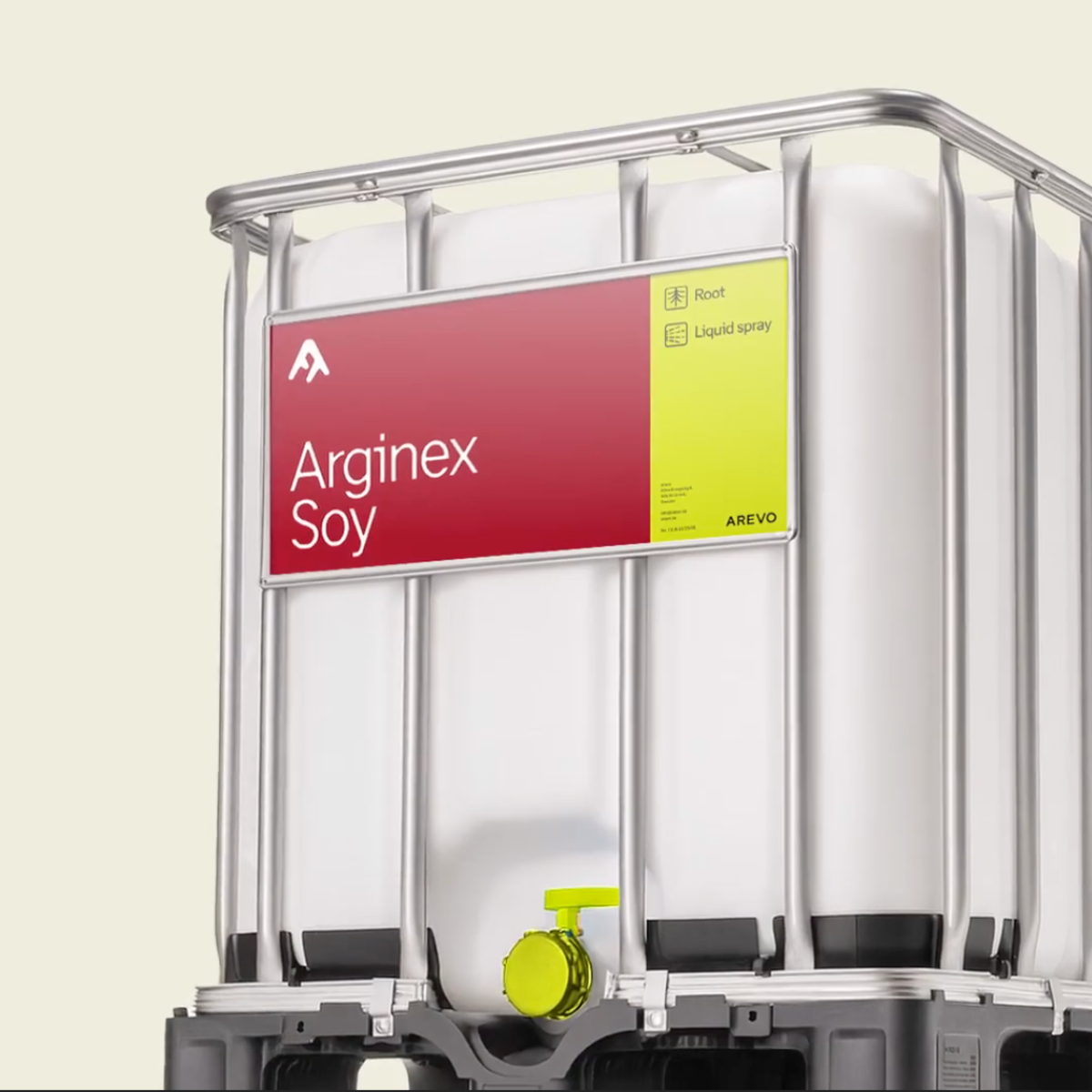
Conclusion: establishing Arginex as a crop nutrition technology
Arginex should be understood as what it is: a crop nutrition technology developed by Arevo, grounded in decades of plant nutrient research and designed for the realities of modern agriculture.
By focusing on nutrient efficiency, biological uptake, and real-world performance, Arginex represents a meaningful evolution in how nutrients are delivered and utilized in cropping systems.
References
-
Arevo AB. Science publications on plant nutrient delivery systems.
https://arevo.se/en/science-publications-on-plant-nutrient-delivery-system -
Näsholm, T. et al. Organic nitrogen uptake by plants. New Phytologist.
-
Moran, K. K. et al. The carbon bonus of organic nitrogen enhances nitrogen use efficiency. Plant Cell & Environment, 2016.
-
MDPI Plants. Nitrogen use efficiency in agriculture, 2024.
-
Frontiers in Plant Science. Improving plant nutrient use efficiency, 2024.
-
FAO. Sustainable nutrient management in agriculture.