The amino acid fertilizer boom and why most products miss the point
Introduction
Something shifted in crop nutrition this year. The amino acid fertilizer market cracked $746 million in 2026, growing at 9.3% year-on-year. Distributors are stocking more biological inputs than ever. Growers are asking better questions about what goes into their soil. The old playbook — dump synthetic nitrogen and hope for the best — is losing ground fast.
But here’s the problem: most amino acid fertilizers flooding the market are generic protein hydrolysates. Blended. Variable. Inconsistent batch to batch. They promise a lot and deliver unpredictably. The boom is real, but the quality gap is wide open.
What’s actually driving the boom
Three forces are pushing growers toward amino acid-based nutrition. First, input costs keep climbing. Synthetic nitrogen is expensive and volatile — tied to energy markets that nobody can predict. Second, soil health is no longer optional. Decades of heavy mineral fertiliser use have degraded microbial communities and compacted root zones. Third, regulations are tightening across Europe and beyond, with nitrate leaching limits forcing growers to rethink how they feed their crops.
The result? A $746 million market that’s projected to hit $1.26 billion by 2032. That’s real money chasing real solutions. But not all solutions are built the same.
The problem with generic blends
Most amino acid fertilizers on the market are protein hydrolysates — proteins broken down into a soup of different amino acids, peptides, and fragments. They come from soy, animal by-products, or other organic matter. The composition varies depending on the source material, the hydrolysis method, and the batch.
That variability matters. When a grower applies a generic blend, they’re getting a different ratio of amino acids every time. Some of those amino acids are useful. Others are metabolically irrelevant to the crop. The plant has to sort through the mix, burning energy to process what it doesn’t need. It’s like feeding an athlete a buffet when they need a targeted meal plan.
Why arginine stands apart
Arginine is nature’s most nitrogen-rich amino acid. It plays a specific, proven role in plant biology: driving nitric oxide synthesis, which triggers root hair development, cell division, and immune response. When plants receive pure L-arginine, they don’t waste energy sorting through a random amino acid buffet. They get exactly what the root zone needs, delivered in a form they can use immediately.
Research published in the Agronomy Journal in 2026 called amino acids “the next green revolution” — but the critical detail most coverage misses is that not all amino acids perform equally. Arginine’s role as a nitrogen carrier is unique: it releases nutrients in a controlled, bioavailable way, ensuring plants absorb more of what’s applied. Less waste. More uptake. Better economics.
Single-molecule precision vs. variable formulations
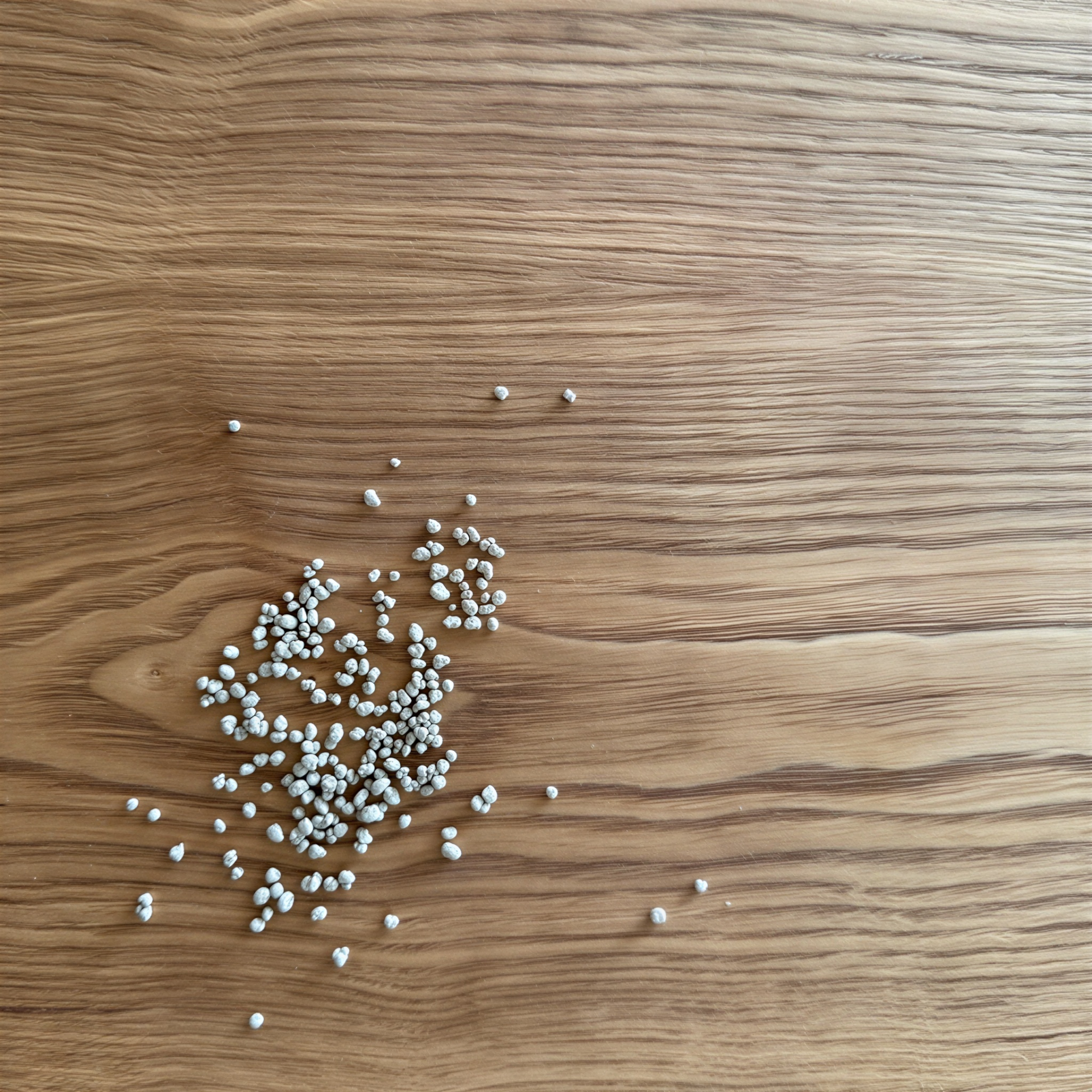
This is where the conversation gets practical. A single-molecule formulation like Arginex delivers one defined compound — arginine complexed with phosphate — in every batch. No variation. No guesswork. The product is positively charged to bind to soil particles, resisting leaching and staying in the root zone where it’s needed.
Compare that to a typical protein hydrolysate: variable amino acid ratios, inconsistent charge profiles, and no guarantee that the active compounds survive long enough to reach the roots. For growers operating at scale across different soils and climates, consistency isn’t a nice-to-have. It’s the difference between a reliable season and an expensive surprise.
Arginex combines the best of organic and inorganic nitrogen nutrition
| Mineral nitrogen | L-arginine based nutrition (Arginex) | Compost & manure-based fertilizer | |
| Type | Inorganic | Organo-mineral | Complex organic |
| Precise, predictable performance | ✅ Strength | ✅ Strength | ❓Variable |
| Well-defined composition | ✅ Strength | ✅ Strength | ❓Variable |
| Fast, reliable plant uptake | ✅ Strength | ✅ Strength | ❓Variable |
| Low environmental impact | ❌ Not strength | ✅ Strength | ✅ Strength |
| Stimulates root growth | ❌ Not strength | ✅ Strength | ✅ Strength |
| Supports beneficial soil microbes | ❌ Not strength | ✅ Strength | ✅ Strength |
What growers should ask before they buy
The amino acid boom is bringing genuine innovation to crop nutrition. But it’s also bringing a lot of noise. Before reaching for the next biological input, growers should ask three questions.
- First: what’s the active molecule, and is it defined? If the answer is “a blend”, dig deeper.
- Second: is the formulation consistent batch to batch? Ask for spec sheets.
- Third: does the product stay in the root zone, or does it leach away with the first rain?
The growers who ask these questions will be the ones who actually capture the value this boom is promising. The technology exists to feed crops smarter. The challenge is cutting through the noise to find it.
References
- Fortune Business Insights. (2026). Amino Acid Fertilizers Market Size, Share & Growth Report 2026–2032. https://www.fortunebusinessinsights.com/amino-acid-fertilizers-market-104862
- Agtech Navigator. (December 2025). Arginine meets phosphate: New system promises ‘predictable and consistent yields’. https://www.agtechnavigator.com/Article/2025/12/02/arginine-meets-phosphate-new-system-promises-predictable-and-consistent-yields-start-up-says/
- Näsholm, T., Kielland, K., & Ganeteg, U. (2009). Uptake of organic nitrogen by plants. New Phytologist, 182(1), 31–48. https://arevo.se/en/science-publications-on-plant-nutrient-delivery-system
- Svennerstam, H. et al. (2008). Root uptake of cationic amino acids by Arabidopsis. New Phytologist. https://arevo.se/en/science-publications-on-plant-nutrient-delivery-system
- Arevo. (2025). Arginex by Arevo: a new standard in crop nutrition technology. Arevo Knowledge Space. https://arevo.se/en/knowledge-space/arginex-by-arevo-a-new-standard-in-crop-nutrition-technology
- Arevo. (2025). Arginine: the key to zero nitrogen waste. Arevo Knowledge Space. https://arevo.se/en/knowledge-space/arginine-the-key-to-zero-nitrogen-waste